P/09 · Back to projects
RWS Translations
One design system, every channel
A new digital customer experience after rapid growth by acquisition.

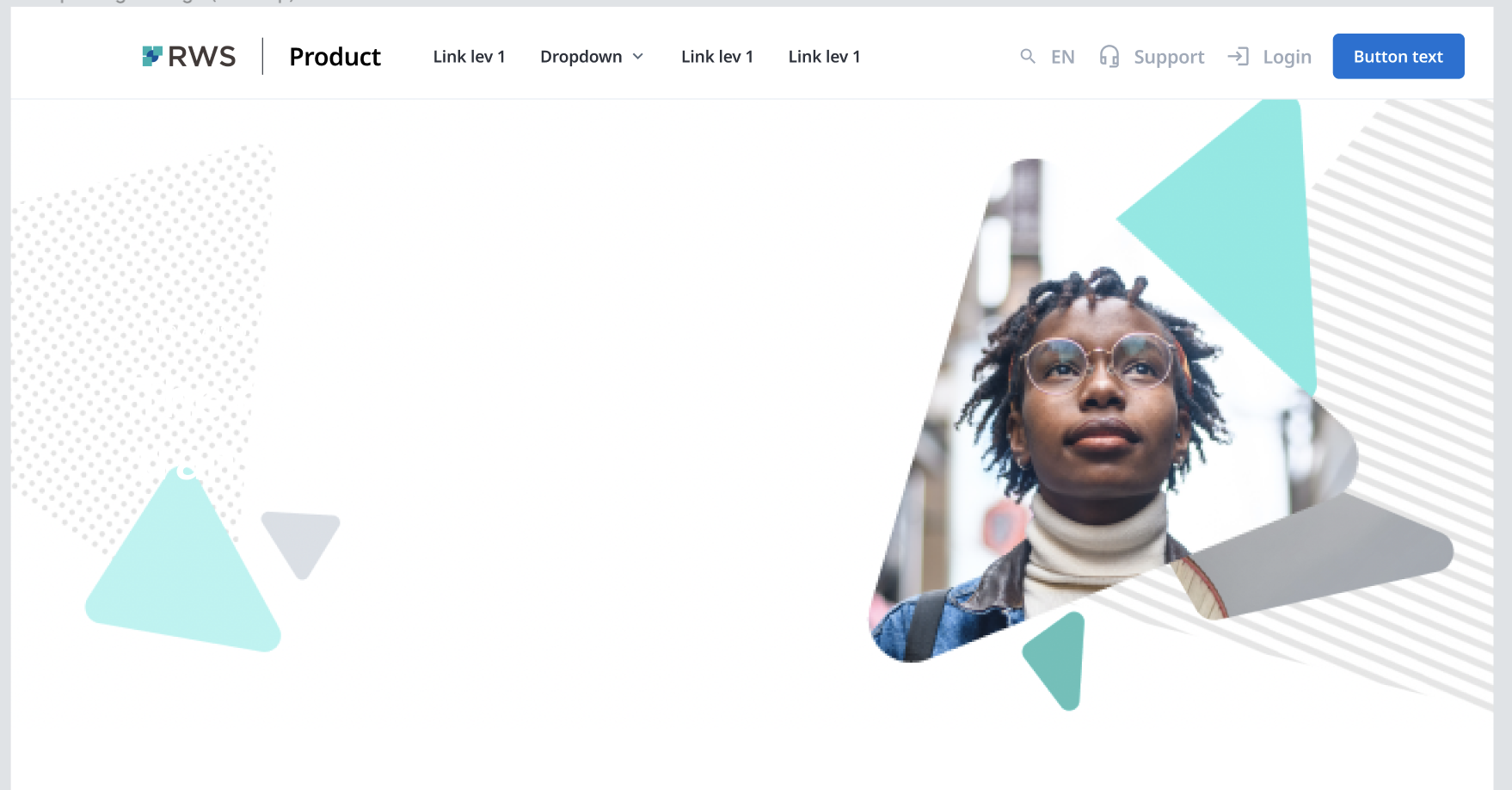
Client
RWS Translations
Context
SDL acquisition
Output
Atomic design system
Sector
Language services
01 — Background
Growth by acquisition, felt everywhere.
RWS had grown very rapidly — most significantly by acquiring SDL, a larger company with a better-known brand.
Internal structures changed as a result, and the effects were felt right across the organisation.
Two brands, two product catalogues, two websites

02 — Problem
Working out which product you needed became a cognitively demanding task.
Problem, in detail
Two digital estates, merged into confusion.
Expanding through acquisition brings complications. When RWS and SDL joined forces, integrating their digital assets — the websites above all — left both customers and staff confused.
Combining two diverse ranges of products and services created real difficulty in navigation and exploration. Getting through the sites and understanding which products and services actually fit a customer's needs took more effort than anyone should have to spend.
03 — Solution
Research first, then one system underneath everything.
So that customers could quickly recognise the solution they had in mind and the benefits of it, RWS started a service design programme with Spective Global.
We ran comprehensive primary and secondary research with stakeholders around the world. Those insights gave us a deeper understanding of what customers actually needed, and let us restructure the information architecture of the websites around it.
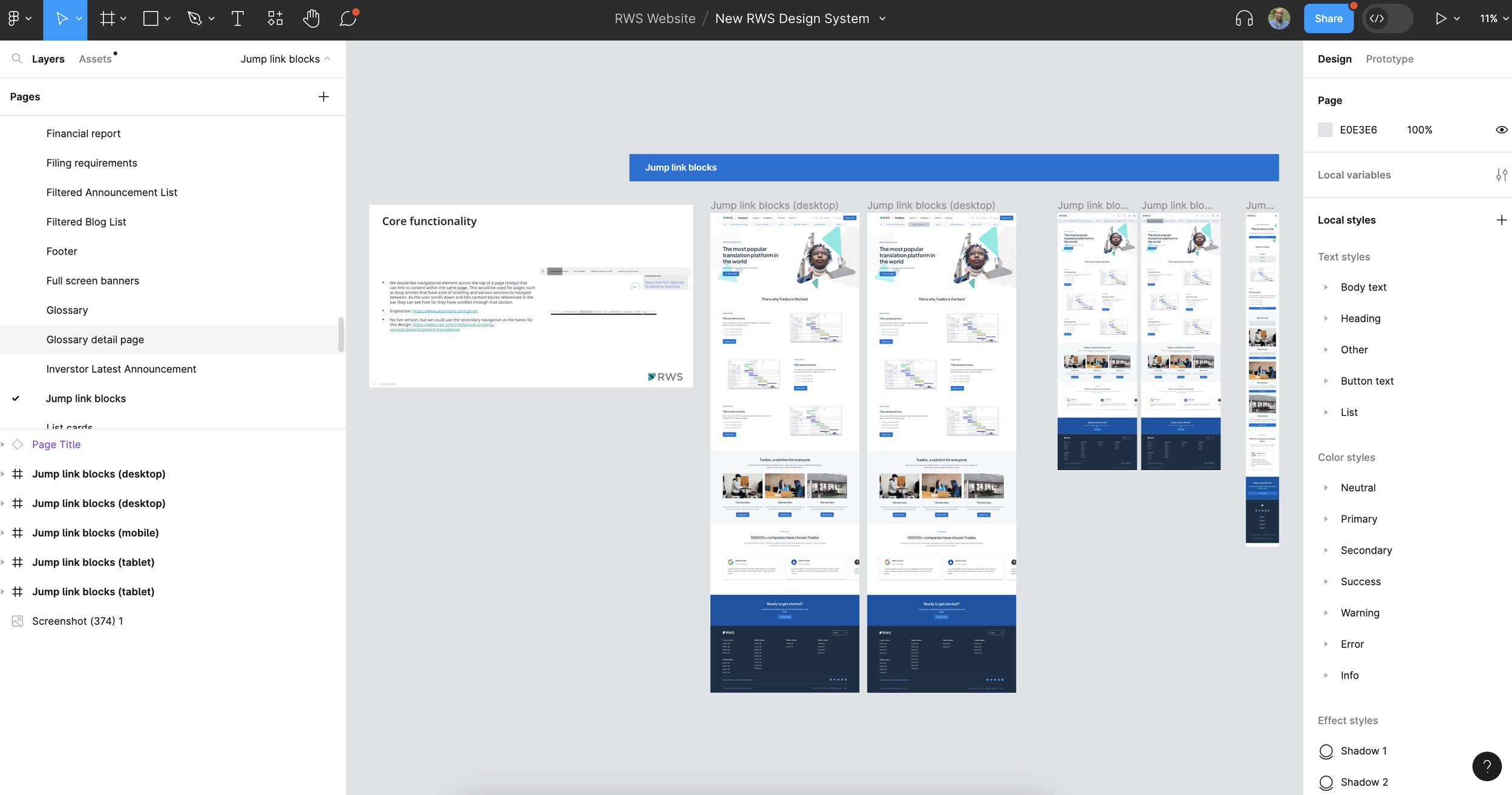
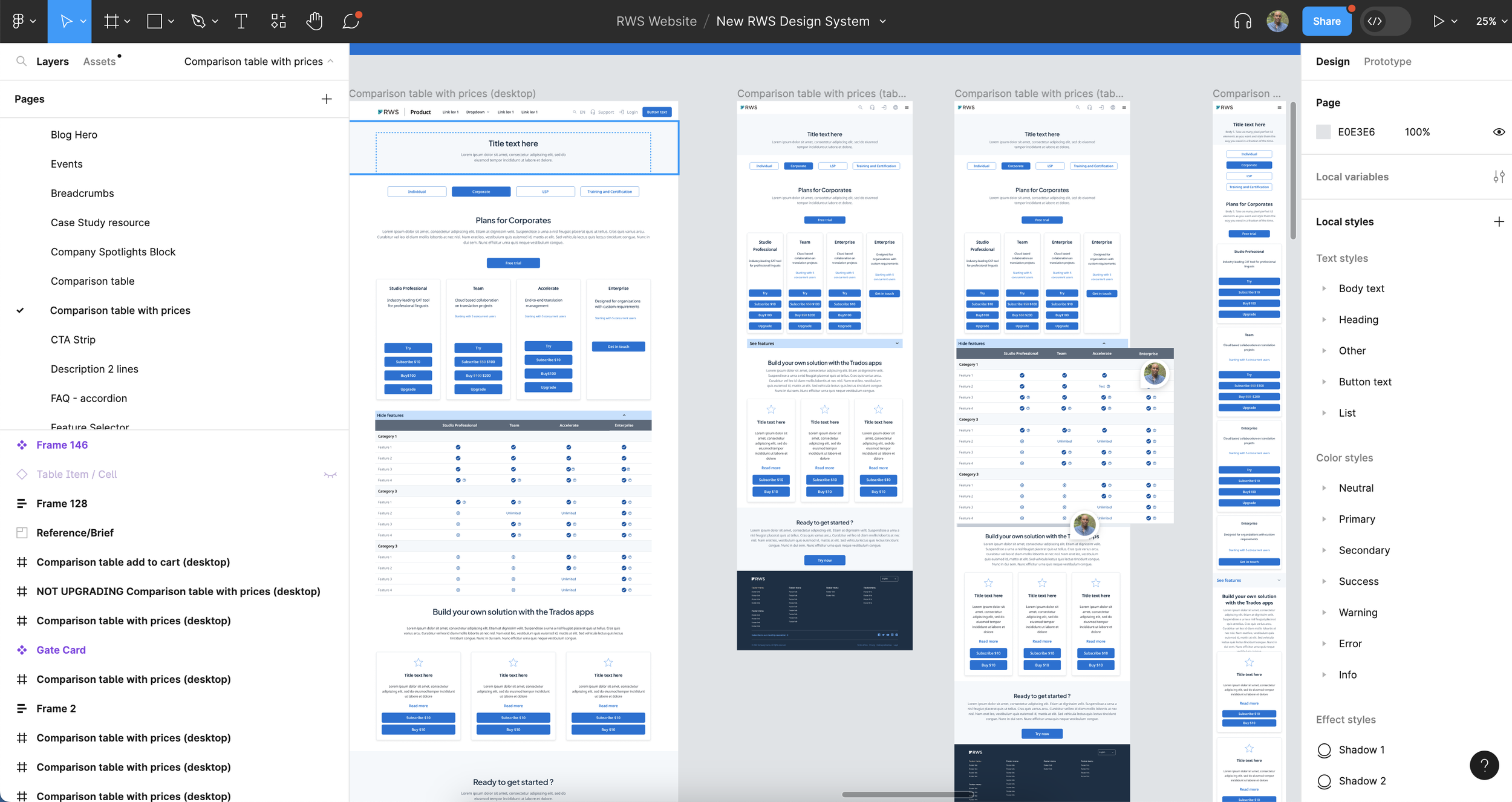
We then built an atomic design system: a uniform, efficient foundation for constructing any digital asset with consistency built in rather than policed afterwards.
The work
04 — Impact
The hypotheses held.
Smoother journeys
The revamped information architecture noticeably eased customer journeys across the sites.
Less cognitive load
Cutting the information clutter reduced the effort users had to spend before they could act.
Clearer benefits
Customers and employees alike could see what each product and service was actually good for.
Useful comparison
Users could see how other customers were using the products, and compare that against their own requirements.
05 — Beyond the brief
Three things we'd do next.
These are proposals rather than delivered work — where we'd take the programme to get more out of what's already been built.
Align on service blueprints
Put every customer experience activity across RWS onto shared blueprints, so all actors and departments can see how their involvement affects the experience. Kept as living documents, referred to for understanding pain points and areas to optimise.
Build bridges across research silos
RWS has many teams researching in different areas, and the whole customer experience would benefit if that work were shared and socialised. Ecosystem mapping to signpost and link it all together.
Impact analysis as a production gate
Impact mapping across experimentation, design and production — creating provenance from backlog item to business goal by linking hypotheses, actors and metrics. Any item without a populated impact map doesn't get built.
Contact